
Does Resveratrol Play A Role In Improving Gut Health?


 Shop our Resveratrol
→ Meet resveratrol, a natural compound found in grapes, berries, and other plant sources, has gained significant attention for its potential health benefits.
→ In this article, we’ll dive into the science behind resveratrol and explore whether it plays a role in improving gut health. You might already know that maintaining a healthy gut microbiome is essential for overall well-being. As research continues to uncover the many ways our gut influences our immune system, mood, and general health, it’s becoming increasingly important to find ways to support this vital ecosystem.
→ Resveratrol is not only known for its potential gut health benefits, but also for its anti-inflammatory power, heart health and cardiovascular support, and its possible role in cancer prevention. Additionally, studies have shown that it may aid in weight loss and has even been linked to anti-aging by renowned researcher David Sinclair. It’s essential to understand the difference between trans-resveratrol and resveratrol to ensure you’re reaping the full benefits of this powerful compound.
By signing up, you consent to receive For Youth emails
Get The Latest On Longevity Delivered To Your Inbox.
The Science Behind Resveratrol

-You might be surprised to learn that the science behind resveratrol is quite fascinating, as it’s believed to have a positive impact on gut health. Resveratrol is a natural compound found in various plants, such as grapes, peanuts, and berries. It has been extensively studied for its potential health benefits like anti-aging, anti-inflammatory, and antioxidant properties.
-Researchers have also discovered its ability to improve gut health by promoting the growth of good bacteria while inhibiting harmful ones. In recent years, scientists have focused on understanding how resveratrol affects the gut microbiome – the community of microorganisms living in our intestines. These microbes play a crucial role in digestion and overall well-being.
-Studies show that resveratrol can help maintain a balanced microbiome by fostering an environment conducive to beneficial bacteria like Lactobacillus and Bifidobacterium. Moreover, it appears to enhance the integrity of the intestinal barrier which prevents harmful substances from entering your bloodstream.
Effects on the Gut Microbiome
-Turns out, it’s been found to have a positive impact on the gut microbiome, making your tummy feel better overall!
-Resveratrol, a natural polyphenolic compound primarily found in grapes and red wine, has been shown to modulate the composition of gut bacteria. This means that including resveratrol-rich foods or supplements in your diet may help improve the balance of good and bad bacteria in your gut. Research suggests that this compound can promote the growth of beneficial bacteria while inhibiting the growth of harmful ones.
-Moreover, resveratrol is known for its anti-inflammatory properties which can also contribute to improved gut health. Inflammation in the gut can cause discomfort and even lead to more serious conditions like irritable bowel syndrome (IBS) or inflammatory bowel disease (IBD).
-By reducing inflammation in your digestive system, resveratrol helps you maintain a healthy gut environment where those essential probiotics can thrive.
Antioxidant and Anti-inflammatory Properties
One of the key components of red wine is resveratrol, a powerful antioxidant with numerous health benefits. Resveratrol has been shown to have anti-inflammatory effects which can help reduce inflammation in the gut, thus contributing to better overall gut health. By fighting off free radicals and reducing inflammation, resveratrol may play a role in improving your gut health and keeping your digestive system running smoothly.
In addition to its antioxidant abilities, resveratrol has also been found to modulate the production of certain inflammatory molecules within the body. This means that it can help regulate the immune response in your gut by controlling inflammation levels. As a result, it may aid in preventing or alleviating common gastrointestinal issues such as irritable bowel syndrome (IBS), inflammatory bowel disease (IBD), and other related conditions.
So go ahead and enjoy that glass of red wine – not only will it please your taste buds but it might just give your gut a helping hand too!
Potential Risks and Side Effects

Shop our Resveratrol
While incorporating resveratrol-rich foods or supplements into your diet may offer numerous health benefits, it’s essential to be aware of potential risks and side effects.
Although resveratrol is generally considered safe when consumed through food sources like grapes, berries, and peanuts, taking large doses through supplements might not be suitable for everyone. Some common side effects associated with resveratrol supplementation include gastrointestinal issues such as nausea, diarrhea, and abdominal pain.
Additionally, those who are on blood-thinning medications or have bleeding disorders should exercise caution when considering resveratrol supplements due to their potential to interfere with blood clotting.
It’s also important to note that research on the long-term safety of resveratrol supplementation is limited. Pregnant or breastfeeding women should avoid using these supplements due to a lack of information regarding their safety during this time.
If you’re considering adding a resveratrol supplement to your routine, it’s wise to consult your healthcare provider first. They can help determine whether this antioxidant compound is appropriate for your specific needs and advise you on proper dosing guidelines to minimize any potential risks or side effects associated with its use.


Discover The Grape – Resveratrol by For Youth

Learn more about The Grape – Resveratrol Singapore
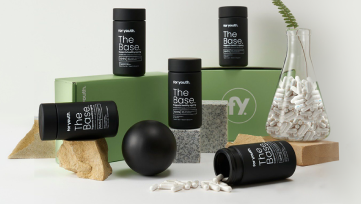
Scientifically supported as an anti-aging supplement, resveratrol is a naturally occurring compound found in grape skin that offers numerous health benefits. By activating longevity genes, helps protect your cells and contributes to a longer, healthier life. Our 99% pure resveratrol formula also boosts energy levels, provides antioxidant support, promotes cardiovascular health, and assists in addressing other aging-related issues.
→ (https://www.foryouth.co/)
Energy Enhancement:
Resveratrol mimics the effects of calorie restriction, activating genes called sirtuins that protect DNA and influence epigenetics. When combined with NAD+ boosters like NMN, which fuel these sirtuins, resveratrol works synergistically to increase your energy levels.
Antioxidant Properties:
As a potent polyphenol and natural antioxidant, resveratrol is found in high concentrations in grape skin, peanuts, berries, and Japanese knotweed (Hu Zhang). Antioxidants help protect your cells from free radicals that may lead to diseases.
Aging-Related Benefits:
Resveratrol offers a wide array of longevity advantages, including improved cardiovascular health, reduced inflammation, decreased bad cholesterol levels, enhanced skin health, and support for brain function, among other aging-related issues.

Fast, Easy, Affordable
Understanding the bioavailability of nicotinamide riboside is fundamental to evaluating its effectiveness after
ORDER TODAY
Fast, Easy, Affordable
Understanding the bioavailability of nicotinamide riboside is fundamental to evaluating its effectiveness after
ORDER TODAY


